What is a nano banana 2 lite prompt?
A nano banana 2 lite prompt is the text instruction that tells the image model what to create or edit. In practice, the best prompt works like a creative production note. It says what the final image is, what should dominate the frame, how the camera or layout should behave, and which details must be preserved or avoided.
For fast image ideation, keep the prompt specific enough to control the output but short enough to revise. A useful working range is often 60 to 180 words. Short icon prompts may be one sentence. Editorial, fashion, architecture, and product prompts usually need more structure because composition, material, pose, and lighting matter.
The prompt formula that works across templates
Use this formula before you add decorative style words:
- 1. Output type: icon, portrait, campaign photo, concept sheet, blueprint, collage, or isometric scene.
- 2. Subject: the person, object, product, building, outfit, or scene that matters most.
- 3. Composition: angle, crop, foreground/background priority, layout, and aspect ratio.
- 4. Visual language: material, texture, color palette, lighting, lens, grain, or rendering style.
- 5. Constraints: no watermark, no extra text, clean background, centered type, preserve reference shape.
- 6. Workflow: use text-only prompts for new concepts and reference prompts when the source image must guide structure.
7 nano banana 2 lite prompt examples from our templates
These examples use the templates already available on Nano Banana 2 Lite. Open a detail page for the full prompt, or launch the template directly from the library.
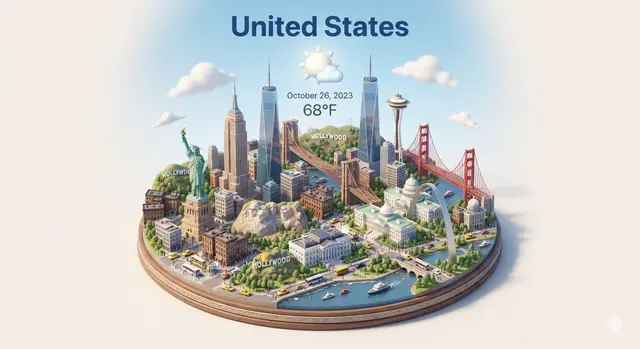
Isometric weather card
A compact city-card template for weather, travel, geography, and local landing pages.
Prompt pattern
Present a clear, 45° top-down isometric miniature 3D cartoon scene of United states, featuring its most iconic landmarks and architectural elements. Use soft, refined textures with realistic PBR materials and gentle, lifelike lighting and shadows. Integrate the current weather conditions directly in...
Why it works: it defines the viewing angle, miniature 3D style, landmark subject, weather overlay, and text hierarchy in one controlled scene.
View full prompt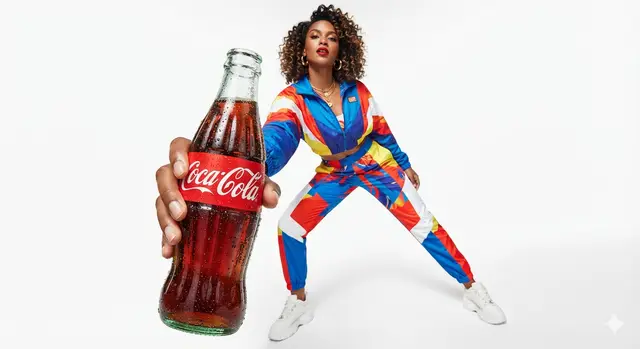
Low-angle product campaign
Useful for beauty, beverage, fashion, and product campaign concepts with a bold foreground product.
Prompt pattern
Low-angle fashion campaign photograph of a confident model holding a large coca cola very close to the camera, exaggerated perspective with the hand and product dominating the foreground, full-body pose visible in the background, wide stance, dynamic posture, clean pure white studio background, high...
Why it works: it gives the product a clear foreground role, then supports it with camera angle, model pose, lighting, and commercial finish.
View full prompt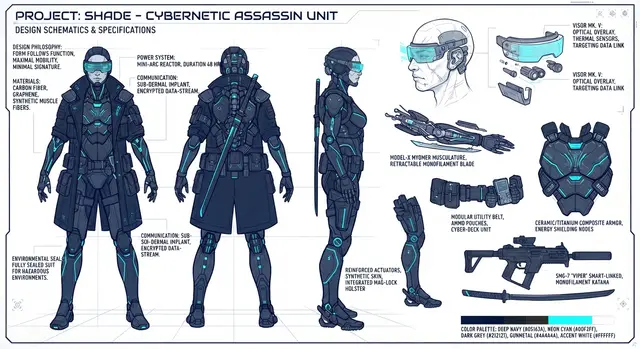
Cyberpunk Assassin Sheet
Useful for game characters, cyberpunk fashion concepts, and production-ready visual development sheets.
Prompt pattern
A character concept sheet of a cyberpunk female assassin with sleek cybernetic limbs and a high-tech visor, featuring detailed front, back, and side views, along with close-up sketches of facial features, costume details, and accessories. Annotated design notes and clearly labeled components are arr...
Why it works: it asks for a production-ready sheet instead of a single portrait, so the model includes views, close-ups, annotations, and material notes.
View full prompt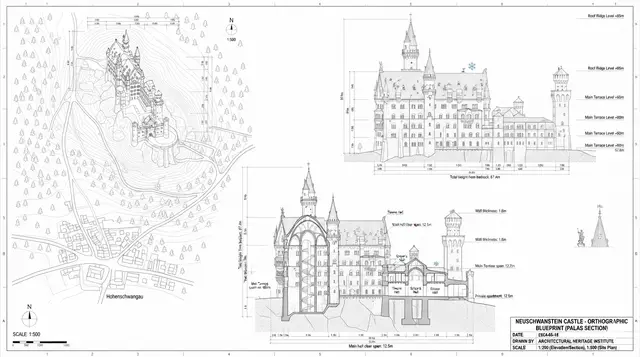
Architecture Blueprint
Converts a building photo into plan, elevation, and section-style architectural drawings.
Prompt pattern
Create an orthographic blueprint that describes this building in plan, elevation and section. Format 16:9.
Why it works: it is short because the reference image carries structure; the prompt only needs to specify plan, elevation, section, and format.
View full prompt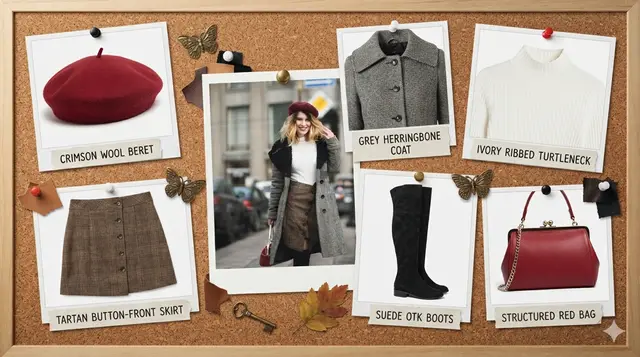
Outfit Corkboard
Turns one lifestyle photo into a shoppable moodboard with labeled product pieces.
Prompt pattern
Create a fashion product collage on a brown corkboard based on this outfit. Each product and the central model image should be presented as individual photos with distinct white borders, pinned organically and aesthetically to the board with small descriptive labels. Format 16:9.
Why it works: it turns a source outfit into a layout brief with borders, pins, labels, and a shoppable collage concept.
View full prompt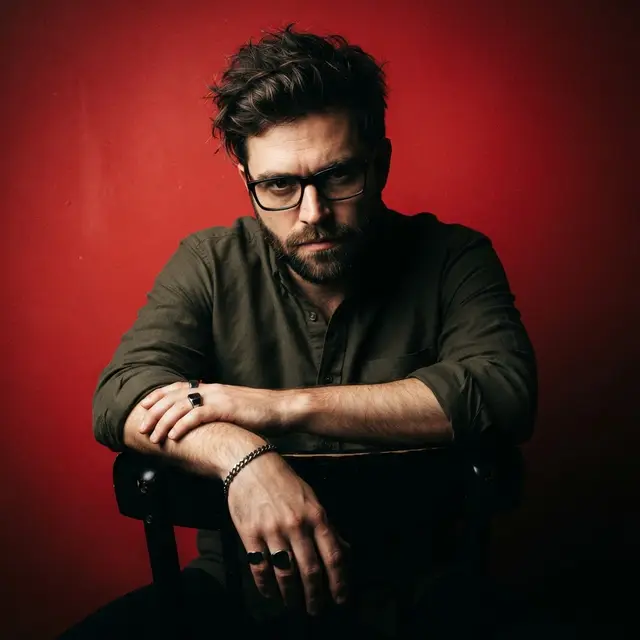
Crimson Studio Portrait
Best for cinematic character portraits, actor headshots, and moody editorial profile images.
Prompt pattern
A dramatic, high-contrast studio portrait of a man with dark messy hair and a well groomed beard, wearing black rectangular glasses and a dark olive-green collared shirt. He is leaning forward over the curved backrest of a black chair, gazing intently down towards the lens. The entire setting featur...
Why it works: it controls mood through pose, eye line, background color, clothing details, and directional studio lighting.
View full prompt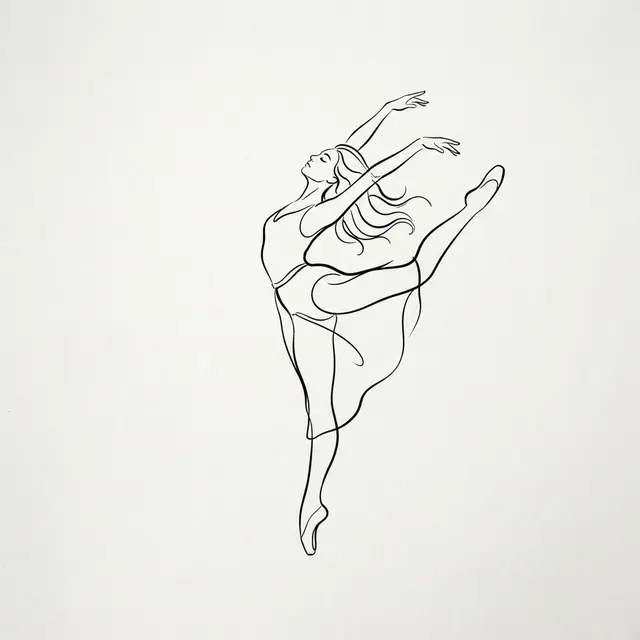
Minimalist Dancing Girl
Best for expressive figure studies, poster concepts, and elegant minimalist illustration.
Prompt pattern
Minimalist paint-style outline of a dancing girl, flowing black lines, clean composition, simple yet dramatic pose, fluid movement captured with elegant negative space, expressive and graceful silhouette
Why it works: it keeps the concept minimal, focusing on line quality, pose, negative space, and expressive movement.
View full promptHow to improve any nano banana 2 lite prompt
Start with the job
Say whether the output is a product ad, app icon, portrait, diagram, lookbook image, or social thumbnail. The model needs the deliverable before it needs the style.
Control the frame
Add angle, crop, foreground priority, background treatment, and aspect ratio. This is especially important for fashion, ads, and architecture.
Use real visual language
Words like high-key lighting, beauty-dish flash, orthographic, PBR materials, negative space, and crisp shadows are more useful than vague words like beautiful or amazing.
Add constraints last
Put no watermark, no extra text, clean background, centered title, preserve proportions, or keep the product sharp at the end of the prompt.
Copy-ready prompt structure
Create [output type] of [main subject].
Composition: [camera angle], [crop], [foreground/background priority], [aspect ratio].
Visual style: [medium or genre], [lighting], [materials], [color palette], [texture].
Details to preserve: [identity, object shape, product label, building structure, outfit pieces].
Constraints: [no watermark], [no extra text], [clean background], [sharp focus on subject].
Use this as a starting point, then replace the bracketed sections with one of the examples above. A good nano banana 2 lite prompt should feel like a brief you could hand to a photographer, art director, or production designer.